What if Dune (1984) felt like a David Lynch film?
Note: Dune: The Silent Cut, a fan edit of David Lynch’s Dune, is a non-monetized project for educational purposes. All copyrights belong to original owners.
Frank Herbert’s sci-fi masterpiece Dune is one of my favorite novels. I return to the sands of Arrakis again and again. David Lynch is my favorite living director. I first encountered him—as did many others—through Twin Peaks, and went on to discover Eraserhead, Blue Velvet, Mulholland Drive and the rest of his dreamlike oeuvre.
Despite my love for both Dune and Lynch, the two have a notoriously tumultuous marriage. Lynch has denounced his 1984 Dune film. It drove him to never again concede final cut on a project (which, ironically, perhaps makes Dune the project for which Lynch fans should be most thankful).
But I believe Lynch’s brilliance—and Herbert’s—still shine through the final film. Inspired by Steven Soderbergh’s Raiders, my aim is to bring that brilliance into relief, and to help fans of both Lynch and Herbert find a new appreciation for the craft that went into this picture. The editing process opened my eyes what works in Lynch’s version and what emphatically doesn’t, and why. I would encourage any other film lover to undergo a similar project, if only to gain a fresh appreciation for the craft.
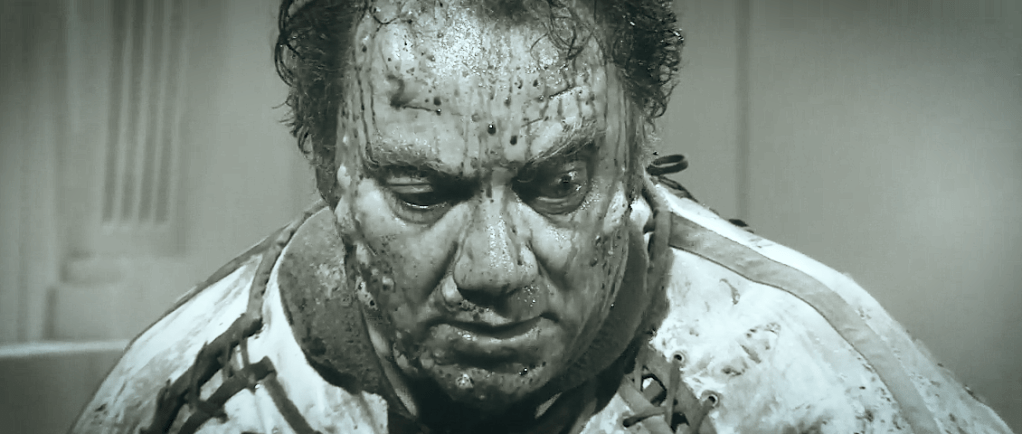
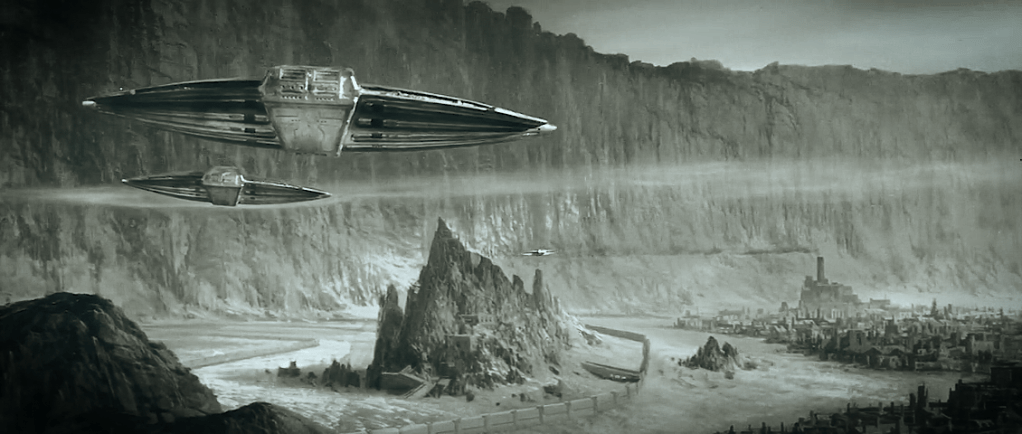

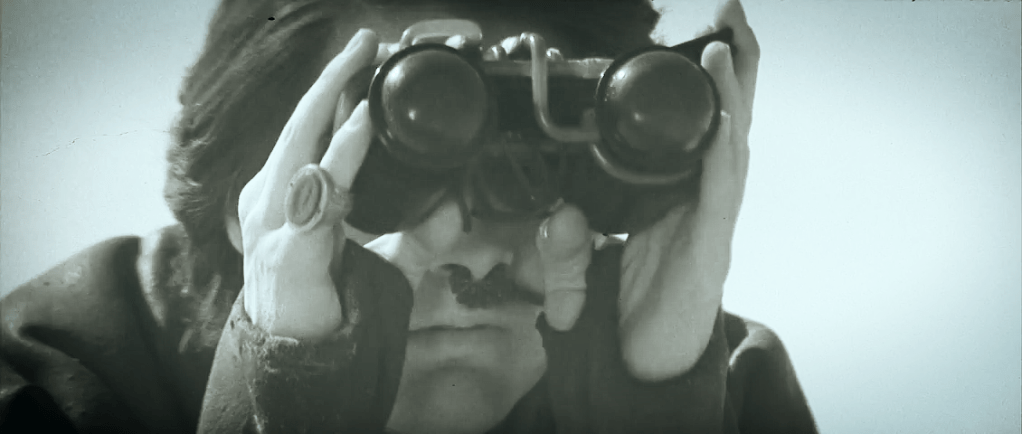
Telling Dune in Silence
Dune is famously difficult to adapt. It has a complex plot full of strange concepts and alien words. (You might recall that original theatergoers to Lynch’s film received a printed handout of Dune terminology). But film is a visual medium.
So could you tell the complex story of Dune in silence?
With Lynch’s visual craftsmanship, I think you can. I granted myself some brief text at the beginning of the film. The rest follows with only music. The result jettisons many world-building intricacies from the novel, but leaves behind surprisingly intact story. It’s a bare-bones myth of betrayal and triumph at a cost.
With just Lynch’s visuals and the subtle performances of Kyle MacLachlan and the rest of the cast, you can still feel the dread and hope of Frank Herbert’s epic. The world-building becomes visual. The silent storytelling also draws attention to the physical performances of these actors—many of which were previously obscured by studio-demanded voiceovers.
This edit also provided an opportunity to tackle one of the greatest problems Herbert fans have with Lynch’s Dune: the ending. Herbert doesn’t want us to see Paul Atreides as a hero. Yet Lynch’s film ends with Paul standing tall, as the valiant messiah fulfilling Fremen prophecy. I’ve attempted to recover some of the darkness and ambiguity of Herbert’s original ending.
Colors, Staging, Music
The choice to recolor Dune in black-and-white was inspired by Soderbergh’s edit of Raiders, where he did the same to illuminate Spielberg’s immaculate staging. Recoloring was, for me, the most eye-opening part of this editing process. Immediately, the film’s intricate production design leapt off the screen. The original colors, in my option, sometimes obscured these details and even came off as garish (the green walls and shocking red hair of Geidi Prime, for example). The monochrome palette removes this distraction and draws the viewer’s eye to the incredible scale and staging that Lynch and cinematographer Freddie Francis executed on this project.
As much as I love the power ballad energy brought to the score by Toto, for this edit I wanted music that felt more akin to a David Lynch project. To that end, I set myself some ground rules. I chose only music from other Lynch projects or from Lynch collaborations. The soundtrack elements here span from Eraserhead to Twin Peaks: The Return, and include a healthy sample of Lynch’s collaborations with the great Angelo Badalementi on Thought Gang.
I believe this music lends Dune both the strangeness and dread of Frank Herbert’s novel and the dreaminess and danger of a David Lynch film. It’s also a chance to explore the way music can tell a story. Moments that Toto rendered unambiguously victorious now—if my intentions come across—echo with foreboding. Again, the viewer will have to let me know if this succeeds.


 Jonathan Boes / Writer